I'm looking for a Google Ads agency in Split. What should I look out for when choosing one?
When choosing an agency, look at three things: experience in your industry, a transparent pricing model and regular reporting on business results, not just clicks…
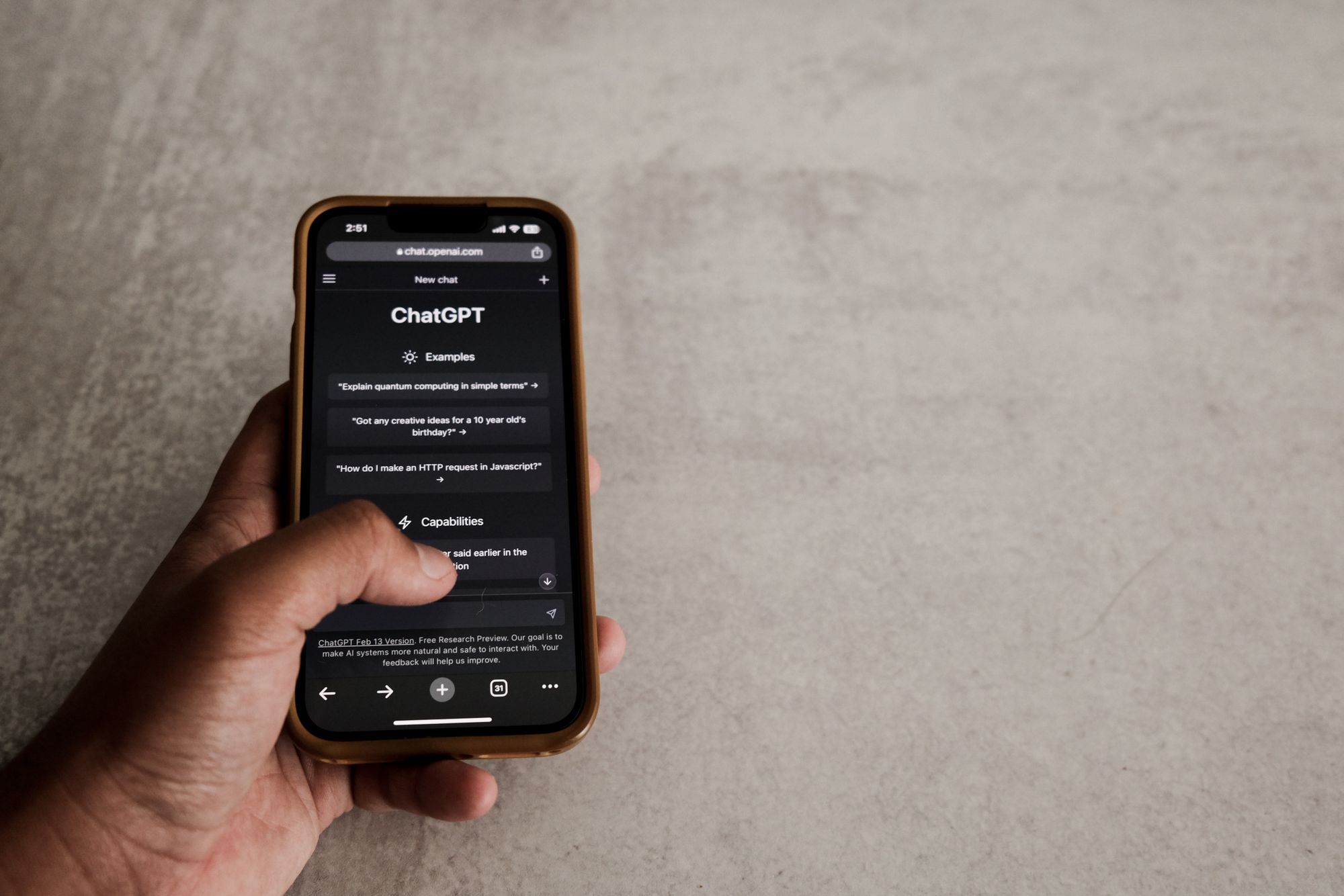
For years we talked about ChatGPT as a place where people look for answers, not where brands can meet them with an ad. That has changed. OpenAI started testing ads in ChatGPT in the US in February 2026, and at the end of August it expanded them to 31 European markets, including Croatia.
For companies, this means a new channel that isn’t bought through keywords but through the context of the conversation. Before you move part of your budget, it helps to know what you’re actually buying.
- Aug 31 self-serve Ads Manager opened to Croatian companies
- Free and Go the only users who see ads
- CPM · CPC plus conversion optimization (oCPC)
- Beta rules and features are still changing
What exactly happened?
On August 18, 2026, OpenAI announced the expansion of ads to 31 European markets: all 27 EU member states plus Iceland, Liechtenstein, Norway and Switzerland. Ads started showing to users from August 24. At first, advertisers could only buy them through OpenAI’s sales team and partners, and on August 31 the self-serve Ads Manager opened as well.
Croatia is marked as available on OpenAI’s official availability list. In practice, this means a company registered in Croatia can open an ad account at ads.openai.com itself. The requirement is that the legal entity advertising and paying is based in a country on that list.
From a US test to the Croatian market
- Feb 9, 2026 Ad testing starts in the US
- Aug 18, 2026 Expansion to 31 European markets announced
- Aug 24, 2026 Ads show to users in Europe and Croatia
- Aug 31, 2026 Croatian companies can open an Ads Manager account themselves
Who sees the ads and what do they look like?
Only adult users on the free (Free) and cheapest (Go) plans see ads. Users with Plus, Pro, Business, Enterprise and Edu subscriptions don’t.
The ad appears as a card below the answer, clearly labeled as sponsored and separate from the answer itself. OpenAI stresses that ads don’t influence what ChatGPT answers. The card can include the advertiser’s name and logo, a headline, a description, an image and a landing page.
Besides standard ads, there are also product catalog campaigns for online stores. They use a structured product data feed, following OpenAI’s specifications, and can show individual products with their images, names and prices.
How targeting works: context instead of keywords
This is the biggest difference from Google Ads. You don’t bid on keywords. You organize ad groups by products, services and user needs. With context hints, you further describe situations where your offer may be relevant. They help the system choose ads but don’t guarantee they’ll show in particular conversations.
There’s an extra limitation in Europe. Personalized ads in the EEA and Switzerland aren’t available in the first phase. The ad is chosen based on the current conversation and basic context such as general location and language, not on the user’s history. Geographic targeting in Europe currently works at country level, not city level.
- Write contexts the way people actually ask, not the way you’d type a keyword.
- For the Croatian market, start with ads in Croatian and test other language versions depending on your target audience.
- A campaign for Split is, for now, a campaign for all of Croatia. Take that into account in your offer and budget.
How much does it cost?
Ads Manager offers three buying models: CPM (you pay for impressions), CPC (you pay for clicks) and oCPC (the system optimizes for conversions but charges for clicks). OpenAI suggests a starting maximum bid of $3 to $5 per click. That’s a guideline, not a market average, and there isn’t enough data for the Croatian market to compare yet.
Billing is in arrears: costs add up after the ads show, and your card is charged when the account reaches the payment threshold or at the end of the month. The minimum daily campaign budget is €15 for accounts in euros. That doesn’t mean this amount is enough for a meaningful test. The budget you need will depend on competition, the campaign goal and how many conversions you want. Some categories, such as finance, health and legal services, have extra restrictions, so check the rules for your industry before you start.
Who should test it?
ChatGPT is where people research, compare and make decisions. That’s why this channel makes the most sense where buying takes thought and comparison:
- B2B services and software, where buyers compare suppliers
- tourism and hospitality, where people plan trips
- education, courses and professional services
- online stores with a clear offer and competitive prices
If Google Ads already works well for you, don’t move your whole budget. Set aside a smaller, predefined test budget and compare the results with the channels you already have, by business result, not just by number of clicks.
How to get started
- Set up measurement before your first campaign. Ads Manager supports a pixel, the Conversions API and UTM parameters. Without them, you won’t know whether the test worked.
- Open an account at ads.openai.com with your real company details. Approval goes through a review and there’s no guaranteed timeline.
- Start with one campaign and a few clearly separated contexts, so you can see which conversations bring quality visits.
- Check your landing page. Users coming from ChatGPT arrive mid-research and expect a clear answer, offer and next step.
And finally, a new channel doesn’t change the fundamentals. If your offer, price or website don’t convince, a ChatGPT ad won’t fix that either. It only brings people to the door, and the rest is up to you.
Accurate as of November 2, 2026. ChatGPT ads are in beta and OpenAI regularly changes features and rules, so check the official documentation before launching.